
Everyone wants to look their best, but the path to achieving aesthetic goals isn’t always a straight line. The world of cosmetic enhancements has exploded in recent years, offering more choices than ever before. If you have been scrolling through social media or browsing websites, you have likely encountered two main categories of treatments: invasive and non-invasive. Understanding the difference is crucial before you book your first appointment at a beauty clinic.
It’s not just about the price tag or the promise of a “new you.” It is about understanding recovery times, potential risks, and realistic results. Whether you are looking to smooth out a few wrinkles or considering a significant transformation, knowing which route fits your lifestyle is the first step. This article will walk you through the pros and cons of both approaches, helping you navigate the menu of services at your chosen beauty clinic with confidence.
Get a Customised Treatment as per Your Skin Type
Understanding the Fundamental Differences
Before diving into specifics, we need to define what these terms actually mean in a medical and aesthetic context. The distinction often comes down to how the procedure affects the body’s tissues and the level of medical intervention required.
What Does Invasive Mean?
Invasive procedures generally refer to surgical operations. These treatments involve breaking the skin or entering a body cavity. They typically require incisions, anaesthesia (either local or general), and a significant recovery period. Think of traditional plastic surgery: facelifts, liposuction, or rhinoplasty.
When you choose an invasive procedure at a beauty clinic or surgical centre, you are often looking for permanent, dramatic changes. These procedures alter the structure of the body or face in a way that non-invasive methods simply cannot replicate.
What Does Non-Invasive Mean?
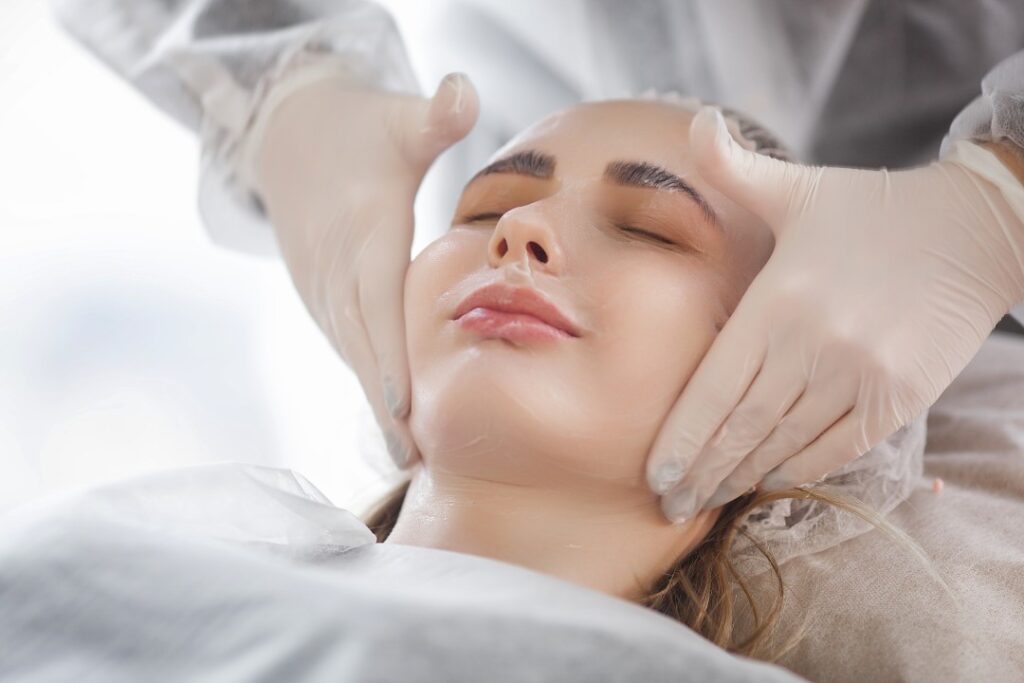
Non-invasive procedures, on the other hand, do not break the skin. They are often referred to as “lunchtime treatments” because many can be completed in under an hour with little to no downtime. These treatments focus on surface-level improvements or stimulating the body’s natural processes without surgery.
Common examples you might find at a beauty centre include laser hair removal, chemical peels, and cool sculpting. There is also a middle ground often called “minimally invasive,” which might involve needles (like Botox or fillers) but doesn’t require incisions or general anaesthesia.
The Appeal of Non-Invasive Treatments
There is a reason why the non-invasive market is booming. Modern technology allows us to achieve incredible results without going under the knife. Here are some reasons why many people start their journey at a beauty clinic with these lighter options.
Minimal Downtime and Recovery
This is the biggest selling point. We live busy lives. Most people cannot afford to take two weeks off work to recover from surgery. With non-invasive treatments, you can often leave the beauty centre and head straight back to the office or pick up the kids from school.
For example, a laser facial might leave you a bit red for a few hours, but it won’t require bed rest. Injectables might cause minor bruising, but this can usually be covered with makeup immediately. This convenience makes aesthetic maintenance accessible to people with demanding schedules.
Lower Cost of Entry
Generally speaking, non-invasive procedures are less expensive upfront than surgery. You aren’t paying for an anaesthesiologist, an operating room, or an overnight hospital stay. This makes visiting a beauty centre for a touch-up financially feasible for a wider demographic.
However, it is worth noting that the long-term costs can add up. Because non-invasive results are often temporary (lasting anywhere from 3 months to 2 years), you need to return to the beauty centre regularly to maintain the look.
Lower Risk Profile
Any medical procedure carries risk, but surgery inherently carries more. General anaesthesia, infection of surgical sites, and scarring are significant concerns with invasive procedures. Non-invasive treatments, while not risk-free, generally have milder potential side effects. You might experience temporary swelling, redness, or sensitivity, but the risk of serious complications is significantly lower when performed by a qualified professional at a reputable beauty clinic.
Natural, Gradual Changes
If you don’t want people to know you’ve “had work done,” non-invasive is the way to go. These treatments tend to offer subtle improvements. You look rested, not different. This gradual approach allows you to adjust your treatment plan over time, adding or reducing volume as your face changes naturally with age.
The Power of Invasive Procedures
While non-invasive options are fantastic, they have limitations. Sometimes, surgery is the only way to achieve specific goals. Here are some reasons why invasive procedures remain a cornerstone of the aesthetic industry.
Dramatic, Structural Results
If you have significant loose skin, deep structural sagging, or want to change the shape of a feature (like your nose), creams and lasers won’t cut it. Invasive surgery physically removes excess skin and tightens underlying muscles.
A facelift, for example, repositions the deeper layers of the face. A non-invasive skin tightening treatment at a beauty clinic can improve texture and offer mild tightening, but it cannot lift sagging jowls the way surgery can. If you want a transformation that turns back the clock by 10 or 15 years, invasive methods are usually required.
Permanent or Long-Lasting Outcomes
Surgery offers longevity. Once you remove fat cells via liposuction or remove excess skin via a tummy tuck, that tissue is gone. While ageing continues, the results of surgery can last for decades. You won’t need to visit the beauty centre every four months to maintain a surgical rhinoplasty result. For many, the one-time investment of recovery time and money is worth the permanent solution.
Solving Functional Issues
Often, invasive procedures solve medical or functional problems alongside aesthetic ones. A rhinoplasty might fix a deviated septum to improve breathing. A breast reduction can alleviate chronic back pain. These are complex issues that a standard visit to a beauty clinic for non-invasive therapy cannot address.
Assessing Your Suitability
How do you know which path is right for you? It usually comes down to three factors: age/skin condition, goals, and lifestyle.
Age and Skin Laxity
Younger patients with good skin elasticity are often perfect candidates for non-invasive treatments. If your skin still “snaps back,” you probably don’t need surgery. You might visit a beauty clinic for preventative Botox or light fillers.
As we age, our skin loses elasticity. Once there is a significant amount of loose, hanging skin, non-invasive tightening devices may yield disappointing results. In these cases, surgical removal of the skin is the only effective option.
Expectations Vs Reality
This is the most critical conversation to have with your provider. If you go to a beauty clinic expecting surgical results from a non-invasive laser treatment, you will be unhappy.
- Choose Non-Invasive if: You want improvement, you want to delay surgery, or you want to look “refreshed.”
- Choose Invasive if: You want a “fix,” you have significant correction needs, or you are tired of maintenance treatments.
Lifestyle and Tolerance
Can you handle downtime? If you have a high-profile job or are a full-time parent with no help, recovering from a major surgery might not be feasible right now. A beauty clinic offering non-invasive options allows you to maintain your appearance without disrupting your life. Conversely, if you are patient and can plan for a few weeks of recovery, the long-term payoff of surgery might be more appealing.
Choosing the Right Beauty Clinic Service
Once you have an idea of what you want, the next step is finding the right provider. This is where safety becomes paramount. The term “beauty clinic” can encompass a wide range of establishments, from luxury medical spas to surgical centres.
Check Credentials
Never assume that everyone in a white coat has the same training.
- For Invasive Procedures: You must see a board-certified plastic surgeon. Ensure the facility is accredited for surgery.
- For Non-Invasive Procedures: Requirements vary by location, but generally, injections and lasers should be performed by nurses, physician assistants, or doctors. Even for non-invasive treatments, you want a medical professional with specific aesthetic training.
The Consultation is Key
A reputable beauty clinic will offer a consultation before you book any treatment. Use this time to ask questions. A good provider will be honest about what non-invasive treatments can achieve. If a clinic promises surgical results from a non-invasive machine, be sceptical.
Ask to see “before and after” photos of their actual patients. Look for patients who have a similar starting point to you. This gives you a realistic idea of what that specific provider can do.
Ask About the Technology
If you are opting for non-invasive treatments, ask about the machines being used. Technology in this field moves fast. A top-tier beauty clinic invests in modern, FDA-cleared devices. Older lasers or knock-off machines may be less effective or carry higher risks of burns and scarring.
Consider a Hybrid Approach
Ideally, you don’t have to choose just one camp. Many patients find the best results come from a combination. You might have a surgical facelift to address sagging jowls, but continue visiting your beauty clinic for laser treatments to keep your skin texture glowing and spot-free. Surgery fixes the structure; non-invasive treatments maintain the canvas.
Making Your Decision
The line between invasive and non-invasive is becoming blurred. We now have thread lifts (which physically lift skin but are less invasive than a facelift) and plasma pens (which burn skin to tighten it). Innovation is constant.
Ultimately, the choice depends on your personal philosophy on ageing and beauty. Some people wear their wrinkles with pride and only visit a beauty clinic for a relaxing facial. Others want to fight gravity every step of the way with the latest surgical techniques. Neither approach is wrong.
To summarise your decision-making process:
- Define your problem area clearly. (e.g., “I hate my double chin.”)
- Determine your budget. (Remember to factor in maintenance costs for non-invasive vs. one-time costs for surgery.)
- Assess your downtime tolerance. (Can you hide away for 2 weeks?)
- Research providers. (Look for specialists in your specific area of concern.)
- Consult. (Get opinions from both a plastic surgeon and a non-surgical aesthetic provider.)
Final Words
Whether you opt for a subtle tweak or a major transformation at a beauty clinic, the goal of any cosmetic procedure should be to make you feel more confident in your own skin. The industry has evolved to offer solutions for every comfort level.
Non-invasive procedures offer an excellent entry point for those looking to refresh their look with minimal disruption to their daily lives. They are low-risk, accessible, and can yield beautiful, natural results. However, they are not magic wands. For significant structural changes and long-lasting results, invasive surgery remains the gold standard.
By understanding the distinct advantages and limitations of each, you can build a treatment plan that aligns with your body, your budget, and your life. Remember, the best procedure is the one that safely delivers the results you want, performed by a professional you trust. Take your time, ask the hard questions, and enjoy the journey to your best self.Want to get treated at a professional beauty clinic? Just contact us to book a session.