
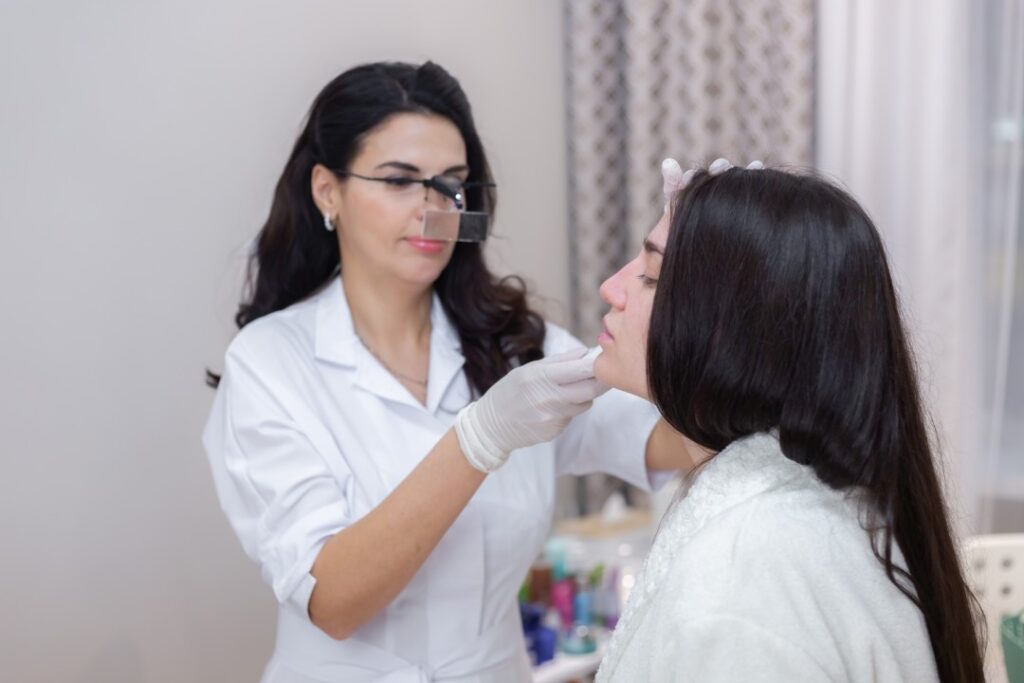
When it comes to caring for your skin, hair, and nails, knowing where to turn for advice and treatment can be confusing. Two professionals who often come to mind are a cosmetologist and dermatologist. While both play crucial roles in the world of beauty and health, their training, scope of practice, and the services they offer are vastly different. Understanding this distinction is key to ensuring you receive the right care from the right expert.
This article will break down the roles of a cosmetologist and dermatologist, particularly within the UK, to help you make informed decisions about your aesthetic and medical skin concerns. We will explore their qualifications, the treatments they provide, and when it is appropriate to book an appointment with each.
What is a Cosmetologist?
A cosmetologist, often referred to as a beautician or beauty therapist in the UK, is a professional trained to provide cosmetic treatments for the skin, hair, and nails. Their focus is on aesthetics and enhancing a person’s appearance through non-medical procedures.
Education and Training in the UK
The training for a cosmetologist is significantly different from that of a dermatologist. It is focused on practical skills rather than medical science.
Vocational Qualifications
The most common route is through vocational qualifications, such as an NVQ (National Vocational Qualification) or VTCT (Vocational Training Charitable Trust) in Beauty Therapy. These courses are offered at further education colleges and private beauty schools.
Levels of Training
Qualifications are typically structured in levels. Level 2 covers basic treatments like facials, waxing, manicures, and pedicures. Level 3 introduces more advanced techniques, such as electrical facials and body massage. Level 4 and above can cover specialised treatments like laser and Intense Pulsed Light (IPL) therapies or skin peeling.
Regulation
Unlike medicine, the beauty industry in the UK is largely self-regulated. While qualifications exist, it is not legally required for a person to hold a specific qualification to call themselves a beauty therapist. However, reputable professionals will be qualified and insured. Professional bodies like the British Association of Beauty Therapy & Cosmetology (BABTAC) and the National Hair & Beauty Federation (NHBF) provide guidelines and membership for qualified therapists.
It is important to note that the term cosmetologist is more common in the United States. In the UK, you are more likely to encounter titles like “beauty therapist,” “aesthetician,” or “skin therapist.”
Services Offered by a Cosmetologist
A cosmetologist focuses on improving the appearance of the skin’s surface and providing relaxing, beautifying experiences. The services do not involve diagnosing medical conditions or prescribing medication.
Common services include:
- Facials: Cleansing, exfoliating, and nourishing the skin to give it a healthy, radiant glow.
- Hair Removal: Techniques like waxing, threading, and sugaring. Some with advanced training may offer laser or IPL hair removal.
- Nail Services: Manicures, pedicures, and the application of artificial nails.
- Makeup Application: Professional makeup services for special occasions or lessons.
- Body Treatments: Services such as body wraps, scrubs, and spray tans.
- Basic Skin Care Advice: Recommending over-the-counter products and routines to maintain healthy-looking skin.
Advanced aestheticians with Level 4 or higher qualifications may also offer treatments like microneedling, chemical peels, and microdermabrasion. However, the intensity and depth of these treatments are less invasive than what a dermatologist can provide.
What is a Dermatologist?
A dermatologist is a medical doctor who specialises in diagnosing and treating conditions that affect the skin, hair, and nails. Their expertise is rooted in medicine and science, allowing them to manage over 3,000 different conditions, from common issues like acne and eczema to serious diseases like skin cancer.
Education and Training in the UK
The path to becoming a dermatologist in the UK is long and rigorous, reflecting the medical gravity of their role.
Medical Degree
The journey begins with completing a medical degree from a university, which typically takes five to six years. This provides a broad foundation in all aspects of medicine.
Foundation Programme
After graduating, they undertake a two-year foundation programme as a junior doctor in a hospital setting. This involves rotations through various medical and surgical specialities.
Core Medical Training
Following the foundation years, aspiring dermatologists must complete Core Medical Training (CMT) or an Acute Care Common Stem (ACCS) programme, which usually lasts two to three years. During this time, they must pass the challenging Membership of the Royal College of Physicians (MRCP) examination.
Speciality Training
Upon completion, they are awarded a Certificate of Completion of Training (CCT) and can be listed on the General Medical Council’s (GMC) Specialist Register as a consultant dermatologist. This entire process takes at least 13 years.
Only after successfully passing the MRCP can a doctor apply for a competitive speciality training post in dermatology. This specialist training takes another four years and covers all aspects of medical, surgical, and cosmetic dermatology.
Services Offered by a Dermatologist
Dermatologists are qualified to handle a wide spectrum of issues. Their services are generally categorised into three main areas:
Medical Dermatology
This is the core of their practice. They diagnose and treat conditions such as psoriasis, eczema, rosacea, severe acne, skin infections (bacterial, fungal, viral), and autoimmune skin disorders. They can prescribe a wide range of medications, including oral drugs, biologics, and other systemic treatments.
Surgical Dermatology
Dermatologists are trained to perform surgical procedures. This includes removing skin cancers like melanoma and basal cell carcinoma, as well as benign growths such as cysts, warts, and moles. They use techniques like excisions, cryotherapy (freezing), and curettage.
Cosmetic Dermatology
Many dermatologists also offer cosmetic procedures. Because of their extensive knowledge of skin anatomy and health, they are uniquely qualified to perform advanced treatments. These may include Botox injections, dermal fillers, chemical peels, laser hair removal, and treatments for scarring, pigmentation, and signs of ageing.
When to See a Dermatologist vs. a Cosmetologist
Knowing who to consult depends entirely on your concern.
You should see a dermatologist if you experience:
- A new or changing mole.
- Signs of skin cancer, such as a sore that won’t heal.
- Severe or persistent acne that doesn’t respond to over-the-counter treatments.
- Chronic skin conditions like eczema, psoriasis, or rosacea.
- Sudden or significant hair loss.
- A skin infection or rash that is spreading or painful.
- A desire for medical-grade cosmetic procedures like Botox, dermal fillers, or deep chemical peels, as they can manage any potential complications.
In the UK, you typically need a referral from your General Practitioner (GP) to see a dermatologist on the NHS. For cosmetic concerns or to bypass waiting lists, you can book a private appointment directly.
You should see a cosmetologist (beauty therapist) if you want:
- A relaxing facial or a treatment to brighten your complexion.
- Advice on a daily skincare routine and suitable products.
- Non-medical beauty treatments like waxing, a manicure, or a spray tan.
- To address minor concerns like occasional breakouts, dryness, or a dull skin tone.
- To de-stress and pamper yourself.
A good cosmetologist will recognise the limits of their expertise and will refer you to a medical professional if they notice a concern that is beyond their scope, such as a suspicious-looking mole.
Final Words
It is not a matter of one being better than the other; rather, dermatologists and cosmetologists serve different, yet complementary, purposes. A dermatologist is your go-to expert for the medical health of your skin, equipped to diagnose and treat diseases. A cosmetologist is your specialist for aesthetic maintenance and enhancement, helping you look and feel your best through non-invasive treatments.
By understanding their unique roles, training, and the services they provide, you can confidently choose the right professional for your needs. Whether you’re seeking a life-saving skin cancer screening or a rejuvenating facial, knowing the difference ensures you receive safe, effective, and appropriate care for your skin.Are you looking for a professional cosmetologist or aesthetics services? Just contact us to book an appointment.